 Workers involved in the renovation, repair, tear down, and disposal of damaged or destroyed structures and materials can encounter materials that contain lead. Repair, renovation, and demolition operations often generate dangerous airborne concentrations of lead, which is a metal that can cause damage to the nervous system, kidneys, blood forming organs and reproductive system, if inhaled or ingested in a dangerous quantity. The Occupational Safety and Health Administration (OSHA) has developed regulations designed to protect workers during activities that might include lead exposure.
Lead Exposure Can Occur by:
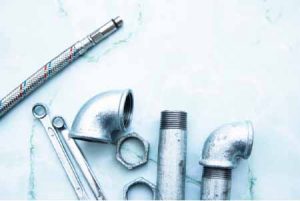
- Lead-based paints, lead solder, electrical fillings and conduits, tank linings, plumbing fixtures, and many metal alloys; and
- Operations that generate lead dust and fumes, including demolition of structures, flame torch cutting, welding, use of heat guns, sanders, scrapers, or grinders to remove lead paint, and abrasive blasting of steel structures.
OSHA Regulations on Worker Exposure to Lead:
Employers in the construction industry must comply with OSHA regulations when workers are involved in the repair, renovation, removal, demolition, and salvage of flood damaged structures and materials. They are also responsible for developing and implementing a worker protection program in accordance with Title 29 Code of Federal Regulations (CFR), Part 1926.62. This program is in place to help minimize worker risk to lead exposure. Employers must be in compliance with OSHA’s Lead standard at all times, even though their projects may vary greatly in scope and potential for exposing workers to lead and other hazards.
LEAD IS DANGEROUS…KNOW THE RISKS!
Download flyer: STOTW_1324_Lead_Hazards

Download Spanish flyer: STOTW_1324_Lead_Hazards_esp