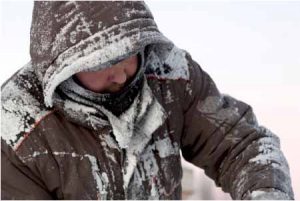
 Prolonged exposure to cold and/or freezing temperatures while on the job may cause serious health problems such as trench foot, frostbite and hypothermia. In extreme cases, exposure to cold temperatures can lead to death.
Cold-stress Controls:
Employees must recognize the early stages of cold stress in themselves and others. The first warning sign may be pain in the extremities. Workers in cold conditions should:
- Wear clothing suited for the cold and their level of physical activity.
- Be medically fit for the cold exposure.
- Eat a balanced diet that includes increased carbohydrates to burn more fuel and increase your body heat. Carbohydrates burn faster than protein and give you quicker energy.
- Understand the risk imposed by the chill factor and be prepared for the conditions.
- Avoid caffeinated or alcoholic drinks that increase water loss and blood flow to the extremities.
- Have a back-up plan when working in isolated areas or use a buddy system to keep an eye on each other and watch for signs of cold stress.
- Wear several levels of clothing to capture insulating air between the layers.
- To allow for ventilation, wear cotton or synthetic layers next to the skin.
- Wear waterproof or water-repellant outer clothing when working in wet conditions.
- Protect their head from heat loss. When you do not cover your head, you can lose 40 percent of your body heat. Use hats, hoods or hard-hat liners.
- Keep a change of clothing available in case their work clothes become wet.
ICE AND SNOW MEAN TAKE IT SLOW!!
Download flyer: STOTW_1251_Avoiding_Cold_Stress_Injuries

Download Spanish flyer: STOTW_1251_Avoiding_Cold_Stress_Injuries_esp