 Workers involved in the renovation, repair, tear down, and disposal of damaged or destroyed structures and materials can often encounter materials that contain lead. Repair, renovation, and demolition operations often generate dangerous airborne concentrations of lead, which is a metal that can cause damage to the nervous system, kidneys, blood forming organs, and reproductive system, if inhaled or ingested in a dangerous quantity. The Occupational Safety and Health Administration (OSHA) has developed regulations designed to protect workers during activities that might include lead exposure.
How Exposure to Lead Can Occur
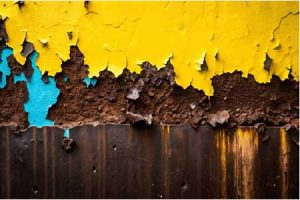
Lead-based paints continue to be used on many surfaces such as bridges and other structures, railways, and ships. The reason is lead-based paints are rust and corrosion resistant, inhibiting rust from occurring. Lead exposures can also occur when that lead-based paint is removed from surfaces in homes built before 1978. Other operations that can generate lead dust and fumes include demolition of structures, flame torch cutting, welding, use of heat guns, sanders, scrapers, or grinders to remove lead paint, and abrasive blasting of steel structures.
OSHA Regulations on Worker Exposure to Lead
Employers in the construction industry must comply with OSHA regulations when workers are involved in the repair, renovation, removal, demolition, and salvage of flood damaged structures and materials. They are also responsible for developing and implementing a worker protection program in accordance with Title 29 Code of Federal Regulations (CFR), Part 1926.62. This program is in place to help minimize worker risk to lead exposure.
Some harmful effects of lead are permanent. OSHA has established a permissible exposure limit (PEL) of 50 micrograms of lead per cubic meter of air, as averaged over an 8-hour timeframe. Employees should tell their doctors that they work with lead.
BE AWARE…IF LEAD IS THERE!
Download flyer: STOTW_1333_Lead_Hazards

Download Spanish flyer: STOTW_1333_Lead_Hazards_esp